Plantation farming looks very attractive from outside, green plants, long-term income and peaceful land life. But in reality, plantation setup needs proper planning, patience and right decisions at right time. Many people rush into planting trees without understanding soil, water or timelines, and later feel disappointed. A good plantation is not built in one day, it’s built step by step. When done correctly, plantation farming becomes stable, profitable and much easier to manage over years.
Step-by-Step Guide to Successful Plantation Setup
1. Soil Testing: The Real Starting Point
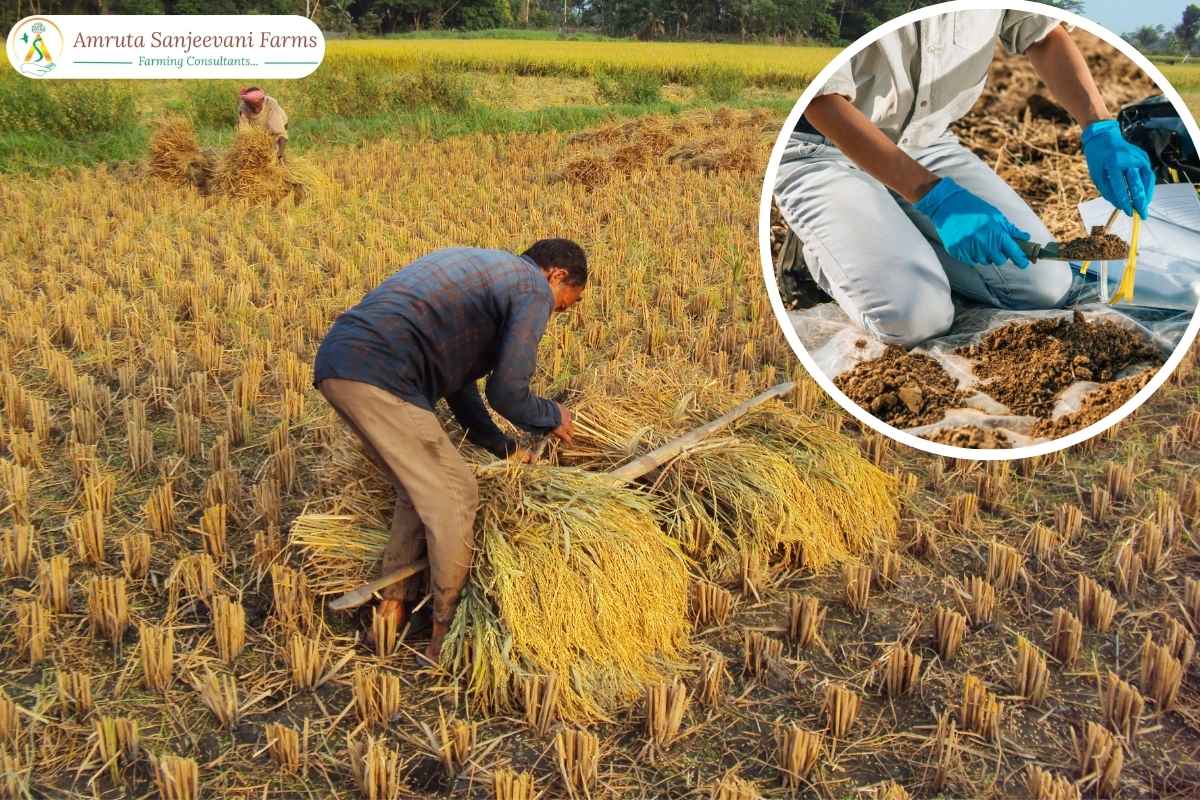
Before planting even a single sapling, soil testing should be done. This is the most ignored step by beginners, and also the most important one.
Soil testing tells you about pH value, nutrient levels, organic carbon and soil texture. Different plantation crops like mango, coconut, guava, sandalwood or teak need different soil conditions. Without soil data, crop selection becomes guesswork.
Based on soil report, experts suggest soil correction methods like adding compost, gypsum, lime or micronutrients. This early correction saves plants from stress in later years.
Good soil preparation increases survival rate of saplings and ensures faster growth.
2. Land Preparation and Layout Planning
Once soil condition is understood, land preparation starts. This includes clearing bushes, stones, unwanted roots and leveling land if needed.
Next comes layout planning. Plantation layout decides spacing between plants, row direction and road pathways inside farm. Proper spacing is very important for sunlight, air flow and future plant growth.
Row orientation usually follows slope direction for proper water drainage. Internal roads help easy movement for maintenance and harvest activities.
Mistakes in layout planning are difficult to correct later, so this step should be done carefully.
3. Fencing the Land Before Plantation
Plantation crops take time to grow, so protection becomes critical.
Open land attracts animals like cattle, pigs or even theft. Many plantation failures happen just because fencing was delayed.
Fencing should be completed before saplings are planted. Based on area and animal risk, barbed wire, chain link or solar fencing can be used.
A well-fenced farm gives peace of mind and prevents repeated damage.
4. Irrigation Planning for Long-Term Success
Plantation crops depend heavily on irrigation in early years.
Irrigation planning should be done before planting. Decide water source first – borewell, open well or farm pond. Then choose irrigation method.
Drip irrigation is highly recommended for plantation farming. It saves water, reduces weed growth and delivers water directly to roots.
Mainline, sub-main and lateral layout should be designed properly to ensure equal water pressure. Filters are important to avoid clogging.
Rainwater harvesting structures can also be added to support long-term water sustainability.
5. Pit Digging and Soil Filling
Plantation pits are usually dug before rainy season.
Pit size depends on crop type. Common sizes are 2x2x2 feet or 3x3x3 feet. Bigger pits help better root development.
Excavated soil is mixed with organic manure, compost and recommended nutrients before refilling pits. This creates a soft and fertile zone for young plants.
Pits should be prepared at least 15–30 days before planting for proper soil settling.
6. Sapling Selection and Planting Method
Quality saplings decide future of plantation.
Always buy saplings from certified nurseries. Saplings should be disease-free, healthy and suitable for local climate.
Planting should preferably be done during monsoon or early morning hours. This reduces transplant shock.
After planting, gentle watering is needed. Soil around plant should be firm but not hard.
Plant guards or tree guards can be installed to protect young plants from animals and wind damage.
7. Mulching and Early Plant Care
Mulching is highly beneficial for plantation crops.
Organic mulch like dry leaves or straw helps retain moisture, control weeds and improve soil health. Plastic mulch can also be used in dry regions.
Regular watering, gap filling (replacing dead plants) and pest monitoring are required in first year.
This initial care decides survival rate and growth speed.
8. Nutrient Management and Soil Health Maintenance
Plantation crops need balanced nutrition.
Organic compost should be added regularly to maintain soil fertility. Chemical fertilizers should be used carefully and only as per requirement.
Micronutrient deficiency is common in long-term plantations, so periodic soil testing is recommended.
Healthy soil supports healthy plants for many years.
9. Pest and Disease Management
Plantation crops face pest and disease issues if not monitored.
Early detection is key. Neem-based sprays, biological controls and natural methods should be preferred first.
Chemical sprays should be last option and applied in controlled manner.
Healthy plants with proper nutrition are naturally more resistant to pests.
10. Expected Timeline: From Planting to Harvest
Plantation farming needs patience.
Most fruit crops start giving yield in 2–4 years. Timber crops may take 8–15 years. Intercropping can be done in early years to generate income.
First year focuses on survival. Second year on growth. Third year onwards, structure and productivity improves.
Understanding this timeline helps manage expectations and finances.
11. Expert Tips from Plantation Consultants
Consultants always advise to plan plantation as long-term investment.
Never rush decisions. Follow scientific methods. Keep records of expenses, inputs and plant performance.
Phased development reduces risk. Regular field visits and seasonal planning make plantation successful.
Expert guidance helps avoid costly trial-and-error.
FAQs
1. Is soil testing compulsory for plantation setup?
Yes, soil testing is very important to select right crop and improve soil health.
2. Which irrigation system is best for plantation crops?
Drip irrigation is best for most plantation crops due to water efficiency.
3. How much time does plantation farming take to give income?
Most plantations start giving returns after 2–4 years depending on crop.
4. Can intercropping be done in plantations?
Yes, intercropping is common in early years and helps generate income.
5. Should beginners take expert guidance?
Yes, expert planning reduces risk and increases plantation success rate.
Conclusion
Plantation setup is not just planting trees, it’s a long-term process that needs planning, patience and proper execution. From soil testing to irrigation and regular care, every step matters. When plantation is done scientifically and with expert support, it becomes a strong asset that grows better every year. With right foundation, plantation farming turns land into lasting value and income.