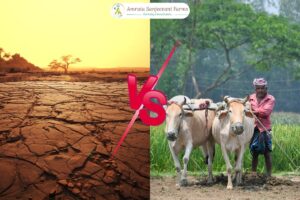
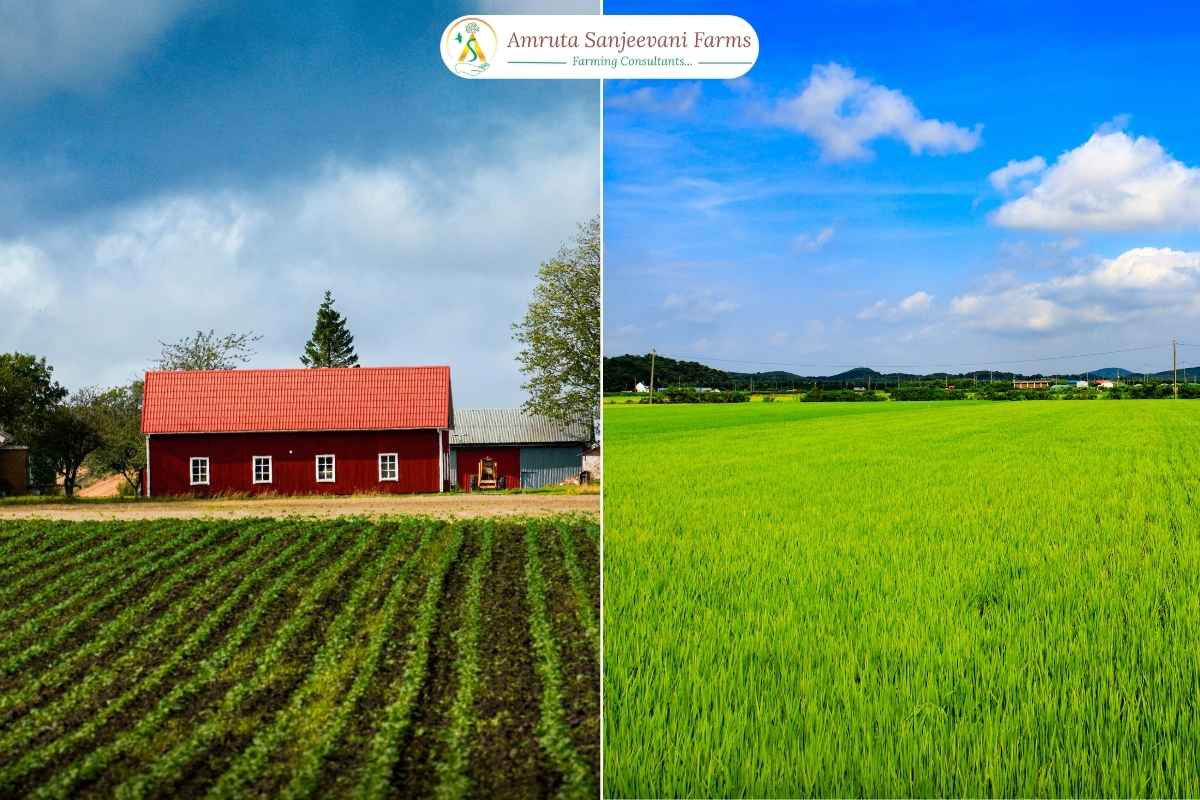
Sustainable farming is not just a fancy word anymore, it’s actually the only way farming can survive long term. Whether you have a small piece of land or a big farm, using sustainable methods helps save money, protect soil and water, and still grow healthy crops. The best part is, most of these practices are simple and practical, not complicated at all.
Top 7 Sustainable Farming Practices You Should Start Using
1. Mulching: Small Step, Big Impact
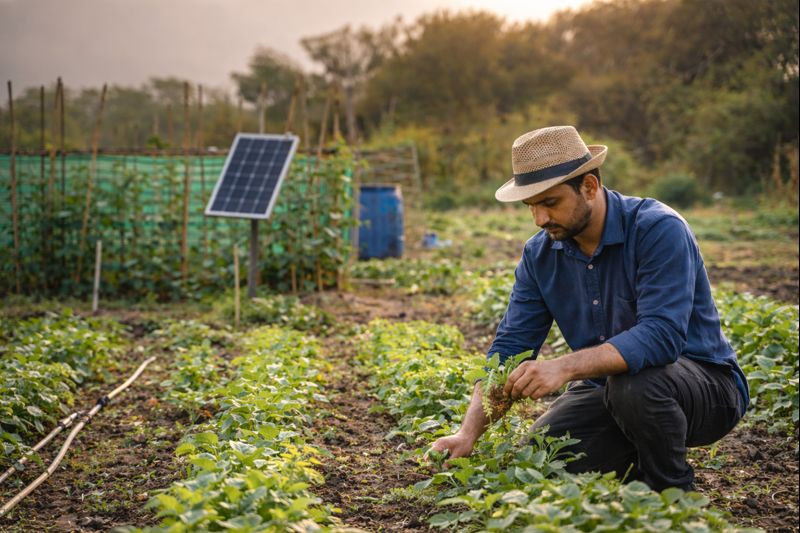
Mulching is one of the easiest farming practices but many people still ignore it. Mulch means covering soil surface with dry leaves, straw, grass cuttings or even plastic sheets. Mulching helps keep moisture inside soil, especially during hot months. It also controls weeds, which means less manual work and less chemical spray. Over time, organic mulch breaks down and improves soil fertility naturally. Both small and large farms can use mulching without heavy investment. It protects soil from erosion and extreme temperature changes, which is very important for plant roots.
2. Organic Composting for Healthy Soil
Healthy soil is the base of sustainable farming. Organic composting improves soil life instead of killing it like heavy chemicals do. Farm waste, cow dung, vegetable scraps, dry leaves and crop residues can all be converted into compost. This compost adds nutrients slowly and improves soil structure. Organic compost increases water holding capacity and encourages beneficial microorganisms. Crops grown on compost-rich soil are usually stronger and less prone to diseases. Composting also reduces waste and fertilizer cost, which helps farmers save money year after year.
3. Smart Water Conservation Techniques
Water is becoming expensive and limited every year. Sustainable farming means using water wisely, not wasting it. Drip irrigation is one of the best water-saving methods. It delivers water directly to roots, reducing evaporation and runoff. Sprinkler systems also work well for certain crops. Rainwater harvesting is another smart option. Small farm ponds or recharge pits help store rainwater and improve groundwater level. Simple practices like watering early morning or late evening also reduce water loss. Water saved today means secure farming tomorrow.
4. Crop Rotation to Keep Soil Alive
Growing the same crop again and again may give short-term profit but it slowly damages soil health. Crop rotation means changing crops season by season. For example, cereals followed by pulses or vegetables. Different crops use different nutrients, so soil does not get exhausted. Crop rotation also helps control pests and diseases naturally. Many pests survive only on specific crops, so rotating breaks their life cycle. This practice improves yield and reduces need for chemical fertilizers and pesticides.
5. Mixed Farming and Intercropping
Mixed farming is a smart way to use land efficiently. It means growing more than one crop together or combining crops with animals. Intercropping like vegetables between fruit trees helps earn income during early years of plantation. It also reduces weed growth and improves soil cover. Animal integration like poultry or cattle helps generate manure, which supports organic farming. This system spreads risk and ensures regular income even if one crop fails.
6. Reduced Chemical Usage and Natural Pest Control
Sustainable farming does not mean zero chemicals instantly, but reducing dependency slowly. Using neem-based sprays, bio-pesticides and natural repellents helps control pests without harming soil or environment. Healthy soil and crop diversity automatically reduce pest attacks. Strong plants resist diseases better. Overuse of chemicals damages soil microbes and increases cost. Sustainable approach balances protection and productivity.
7. Soil Cover and Minimum Tillage Practices
Leaving soil open after harvest is harmful. Soil cover crops like legumes or grasses protect soil from erosion and improve fertility. Minimum tillage means disturbing soil as little as possible. Excessive ploughing breaks soil structure and kills microorganisms. By reducing tillage, soil remains loose, moisture is retained and carbon stays stored in soil. This practice also saves fuel and labor cost, making farming more economical.
FAQs
1. What is sustainable farming in simple words?
Sustainable farming means growing crops in a way that protects soil, water and environment while still earning profit.
2. Can small farmers follow sustainable farming practices?
Yes, many sustainable methods like mulching and composting are low-cost and perfect for small farms.
3. Does sustainable farming reduce crop yield?
Initially yield may stay same or slightly lower, but long-term productivity and soil health improves.
4. Is organic farming same as sustainable farming?
Organic farming is part of sustainable farming, but sustainability also includes water and soil management.
5. How long does it take to see benefits?
Some benefits like moisture retention show quickly, while soil health improvement takes few seasons.
Conclusion
Sustainable farming is not about doing everything perfect from day one. It’s about making small changes that slowly improve land health and reduce dependency on external inputs. Practices like mulching, composting, water conservation and crop rotation protect your farm for future generations. When farming works with nature instead of against it, profits and peace both increase.